ASCLS Today is the membership newsletter of the American Society for Clinical Laboratory Science.
To submit an article for ASCLS Today, contact Editor Debra Rodahl.
Volume 40 Number 5 | October 2026 Summary In this article, ASCLS President Stacey Robinson explores practical strategies for building resilience in laboratory professionals. Drawing on Army resilience training, she highlights the benefits of gratitude, reframing negative thoughts, and recognizing unhelpful thinking patterns. Her message encourages laboratorians to intentionally “hunt the good stuff” and cultivate…
Volume 40 Number 5 | October 2026 Summary Using a relatable medical laboratory scenario, Darby Naheedy examines how poorly designed systems create unnecessary “extraneous cognitive load” that drains attention and contributes to fatigue. She argues that laboratory professionals often spend valuable mental energy navigating inefficient workflows rather than practicing clinical science, and encourages labs to…
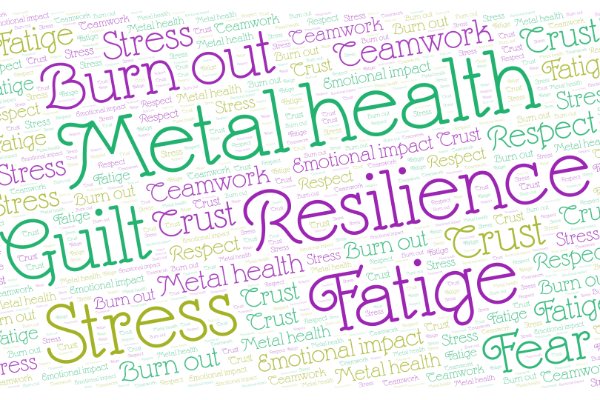
Volume 40 Number 5 | October 2026 Summary In this article, Maria Sue Abiera examines the mental health challenges facing medical laboratory professionals, including moral distress, ethical dilemmas, burnout, and workforce pressures. She argues that resilience is a professional necessity, not a luxury, and calls for stronger institutional support, wellness initiatives, and peer-based programs to…
Volume 40 Number 5 | October 2026 Summary In this commentary, Jesse Day challenges the “pay your dues” mentality that can foster exclusion, self-doubt, and burnout in laboratory workplaces. He argues that professional growth should come through mentorship, support, and shared knowledge rather than unnecessary hardship, emphasizing that creating a culture of belonging strengthens both…
Volume 40 Number 5 | October 2026 Summary In this personal reflection, Heather Parks explores grief, mental health, and the loss of a laboratory colleague. Drawing on her experiences and conversations with medical laboratory professionals, she highlights the importance of workplace support, open communication, memorialization, and compassion, encouraging labs to create space for grieving, healing,…
Volume 40 Number 5 | October 2026 Summary In this article, Jordan Achenbach examines burnout and resilience in laboratory medicine, emphasizing that resilience is shaped by workplace culture, not individual effort alone. She advocates for supportive leadership, mentorship, psychological safety, and open conversations about mental health, arguing that investing in employee wellbeing strengthens laboratory performance,…
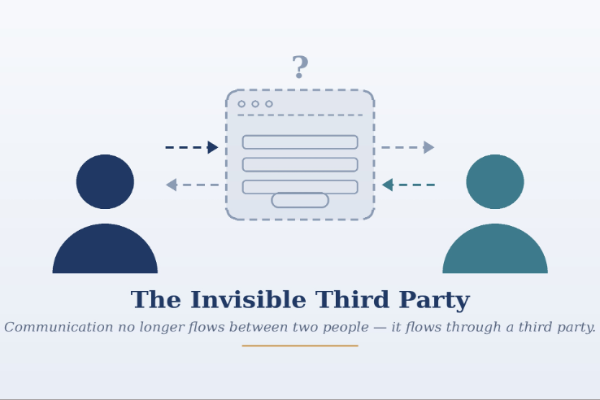
Volume 40 Number 5 | October 2026 Summary In this thought-provoking article, Julie Freidhoff explores how technology systems can become an “invisible third party” in workplace interactions, creating misunderstandings and misplaced blame. She encourages medical laboratory professionals to recognize system-related failures, approach colleagues with curiosity rather than assumptions, and promote accountability, psychological safety, and stronger…
Volume 40 Number 5 | October 2026 Summary In this reflective article, Ali Murphy challenges the idea that work-life balance is easy to achieve, especially in demanding laboratory careers. She argues that stress naturally crosses personal and professional boundaries and recommends setting firm electronic boundaries, such as limiting work emails at home and personal device…
Volume 40 Number 5 | October 2026 Summary This article explores the unique stressors facing clinical laboratory professionals, including burnout, decision fatigue, and the emotional impact of errors. It highlights the importance of recognition, psychological safety, and a Just Culture that balances accountability with learning. The author encourages leaders and organizations to support wellbeing, celebrate…
Volume 40 Number 5 | October 2026 Summary In this opinion piece, Julie McKinney argues that professional association membership must offer clear, tangible value beyond community alone. She calls on ASCLS to strengthen advocacy, mentorship, career development, and engagement while reaching underserved laboratory professionals. Her message: build meaningful benefits, foster belonging, and create experiences worth…