Society News Now December 2025 Issue

Society News Now – December 2025

Your Voice Needed in January to Stop Lab Cuts | Call for Nominations for National Positions | Enhance Your Professional Development at CLEC 2026 | Save the Dates for 2026 Events | and More Your Voice is Needed in January to Stop Lab Cuts and Protect Patient Care Devastating reimbursement cuts under the Protecting Access…

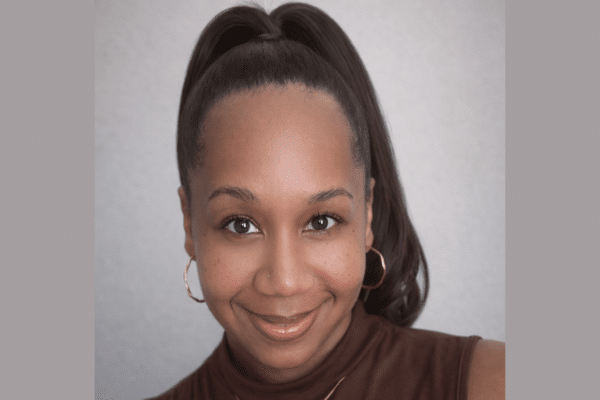
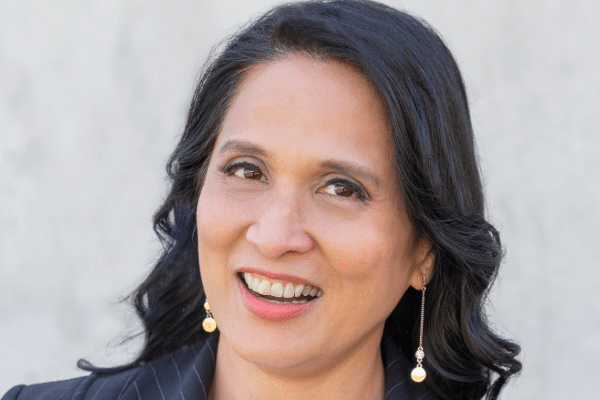
Jeanie Tietjen

CLEC 2026 Opening Keynote Announced: Trauma-Informed Pedagogy & Practice

Addressing Student Success Through a Trauma-Informed Lens The CLEC Steering Committee is excited to announce the 2026 Clinical Laboratory Educators Conference (CLEC) Opening Keynote will feature Jeanie Tietjen, PhD, and her presentation, “Trauma-Informed in Pedagogy & Practice” on Thursday, February 5, at 12 pm Pacific. As educators, administrators, and program leaders, we are increasingly aware…

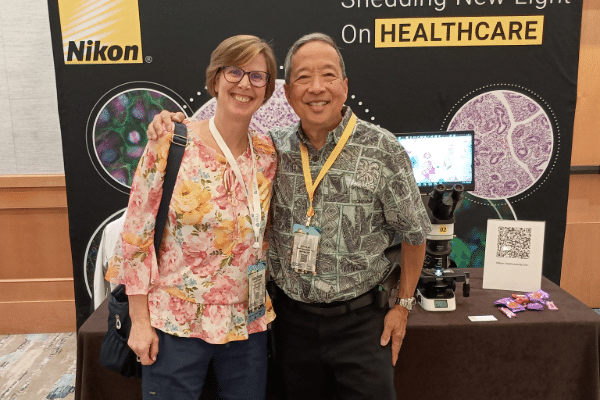
James Williams at the 2025 Clinical Laboratory Educators Conference

The Power of CLEC: Real Stories from Educators Who’ve Been There

Every year, the Clinical Laboratory Educators Conference (CLEC) brings together a vibrant community of educators who share ideas, swap practical tools, and leave inspired to elevate their programs. The stories below—from program directors who once felt overwhelmed, to seasoned educators who still discover something new each year—show just how transformative CLEC can be. Whether it’s…

Kyle Riding and Laura Link

Label Your Tubes—Not Your Colleagues!

Volume 39 Number 6 | December 2025 Summary The authors argue that casual stereotypes about medical laboratory professionals—such as calling them introverts or saying they don’t like people—undermine inclusion and belonging. These labels flatten the profession’s diversity and can alienate colleagues. They urge intentional, respectful language and highlight ASCLS efforts that foster community, emphasizing that…

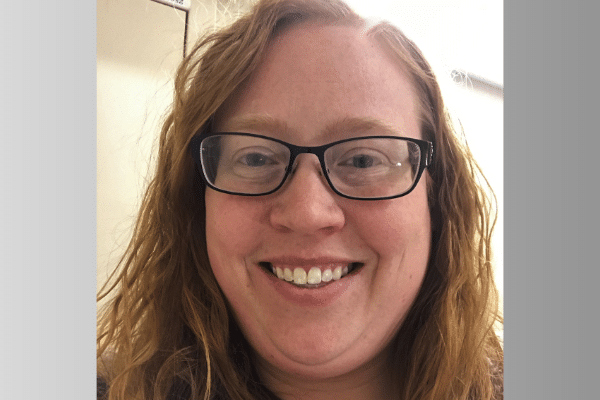
Heather Herrington

I Don’t Want to Talk about It

Volume 39 Number 6 | December 2025 Summary The author, a data-driven perfectionist, shares why discussing DEIB feels uncomfortable yet essential. Drawing on veterinary and clinical laboratory experience, she argues that growth requires practice, safe spaces, and grace for mistakes. She proposes using structured methods like SOAP to improve DEIB communication and metrics within ASCLS,…

2025 ASCLS, AGT & SAFMLS Joint Annual Meeting Opening Keynote

The Importance of Inclusion on the Bench and Beyond

Volume 39 Number 6 | December 2025 Summary This article highlights the impact of inclusion in clinical laboratories, especially for LGBTQ+ professionals and patients. The author shares experiences of witnessing bias and emphasizes how discrimination harms both teamwork and patient care. Feeling genuinely welcomed at the ASCLS, AGT & SAFMLS Joint Annual Meeting reinforced the…

Julie Freidhoff

True Belonging Starts with Ourselves

Volume 39 Number 6 | December 2025 Summary This article explores the difference between fitting in and true belonging, emphasizing that belonging begins with honoring one’s authentic self. Using neuroscience and practical strategies—pausing, regulating with support, and seeking genuine connection—it encourages medical laboratory professionals to build psychological safety, reduce division, and strengthen teamwork by showing…

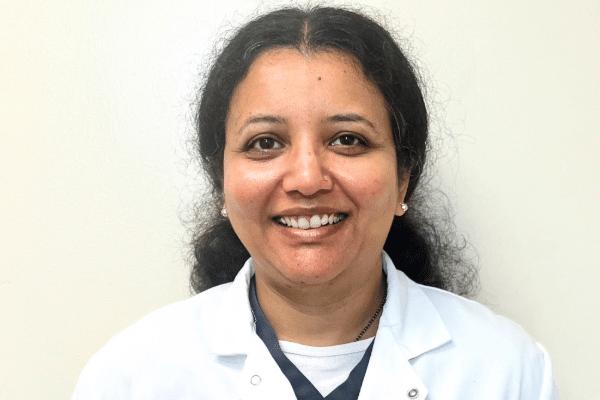
Dhara Parekh

Creating Strong, Connected Laboratory Teams through DEIB

Volume 39 Number 6 | December 2025 Summary This article explains how integrating diversity, equity, inclusion, and belonging (DEIB) strengthens laboratory teams, reduces burnout, and improves patient care. Through supportive leadership, cross-training, psychological safety, and clear communication, medical laboratories build trust, resilience, and collaboration. Applying DEIB principles creates healthier workplace culture and more effective, connected…

Deborah Blecker-Shelly

The Impact of AI on DEI in Laboratory Medicine

Volume 39 Number 6 | December 2025 Summary Artificial intelligence has advanced healthcare, but biased data and flawed algorithms can create inequities in diagnosis and treatment. Studies show AI tools can reinforce racial, gender, and testing-rate disparities, especially in laboratory medicine. This article urges careful development, monitoring, and transparent use of AI to ensure accuracy,…