
Volume 39 Number 2 | April 2025
Phyllis Ingham, EdD, MLS(ASCP)CM, AHI(AMT), ASCLS Clinical Laboratory Educators Forum Chair
 Medical laboratory professionals are the backbone of modern healthcare, yet their critical contributions often remain underrecognized. Addressing this visibility gap begins with education. By fostering a culture of excellence, advocacy, and collaboration within the classroom, we begin to empower students to shape the future of healthcare and become “Destined for Impact.”
Building the Foundation through Education
To begin this new focused journey, this year, the medical laboratory technology cohort at West Georgia Technical College declared this to be our year of “Destined for IMPACT.” This collective belief emboldens the belief that impactful education and contributing to a positive “identity,” both as individuals and as a profession, begins with intentional actions and a shared vision for excellence. To state simply: the journey to professional impact begins in the classroom. Educators play a pivotal role in instilling knowledge, skills, and values students need to thrive. Our laboratory educational programs must emphasize not only technical proficiency but also the broader implications of their work in patient care, public health, and our healthcare community.
We decided our focus acronym for the year would be IMPACT and would serve as our guiding framework for the year.
- Intentional: Encourage purposeful actions in learning and professional practice.
- Motivated: Cultivate a drive for excellence and continuous improvement.
- Persistence and Purposeful: Instill resilience and a clear sense of direction in achieving goals.
- Attitude: Foster a positive and professional mindset.
- Connections: Build strong networks within and beyond the classroom to enhance collaboration.
- Tenacity: Inspire determination to overcome challenges and succeed.
Faculty were determined to enlighten and assist students in a deeper understanding of their role within the healthcare team and see themselves not just as technicians but as integral contributors to patient outcomes.
Advocacy Begins in the Classroom
We all know teaching students to be advocates for the profession is essential. Advocacy begins with understanding the impact of their work. For example, when a clinical chemistry student learns how detecting elevated troponin levels can save a heart attack patient, they immediately see the life-saving potential of their role. We highly encourage laboratory educators to share all the amazing stories from our own work experiences with students. As we share our stories, students will eagerly anticipate becoming involved in activities to assist in bringing awareness of our profession to their families and friends.
Mentorship also plays a critical role in preparing students for impactful careers. By fostering leadership and communication skills, educators help students confidently advocate for the profession and themselves. Encouraging participation in professional organizations like the American Society for Clinical Laboratory Science (ASCLS) can provide a platform for students to connect, grow, lead, and become advocates.
Real-World Impact Begins Here
The classroom is where the seeds of professional excellence are sown. Educators who prioritize student engagement, advocacy, mentorship, and interprofessional collaboration lay the groundwork for a lifetime of impact. Through innovative teaching strategies and mentorship, we can ensure that the next generation of medical laboratory professionals is well prepared to lead, innovate, and advocate for our profession.
So, there is no time like the present to renew and recommit to nurturing students who are not only destined for success but truly “Destined for Impact.”
Dr. Phyllis Ingham is Dean of the School of Health Sciences at West Georgia Technical College in Waco, Georgia.
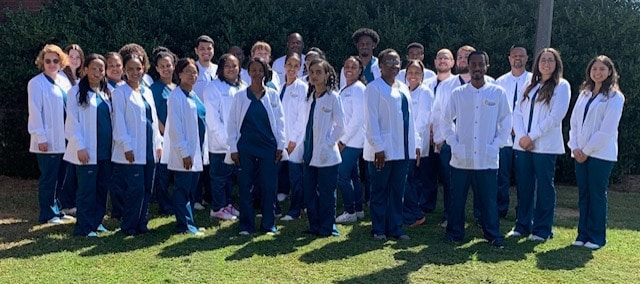
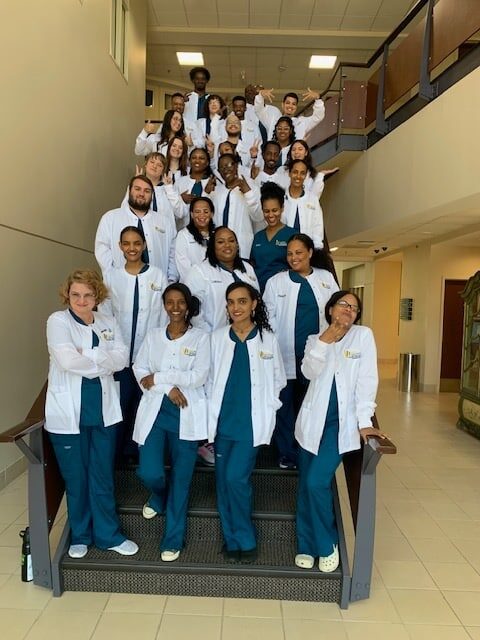
The medical laboratory technology cohort at West Georgia Technical College declared this to be their year of “Destined for IMPACT.” They created an acronym for IMPACT that served as their guiding framework for the year.
“… when a clinical chemistry student learns how detecting elevated troponin levels can save a heart attack patient, they immediately see the life-saving potential of their role.”