
Volume 40 Number 5 | October 2026
Summary
In this personal reflection, Heather Parks explores grief, mental health, and the loss of a laboratory colleague. Drawing on her experiences and conversations with medical laboratory professionals, she highlights the importance of workplace support, open communication, memorialization, and compassion, encouraging labs to create space for grieving, healing, and remembering valued coworkers.
Heather R. Parks, MS, MLS(ASCP)CM, Volunteer Contributor
Content warning: This article includes discussion of suicide.
 In my new microbiology lab, I smiled to myself when I wrote on petri dishes with a wax pencil—the kind where you pull a string to peel paper and reveal wax “lead.” I smiled and thought of my friend, Dee (name and details changed), who always wrote on our culture plates with a wax pencil. The image of her artsy, cursive initials is still vivid.
My friend, Dee, was on my mind during our closing keynote session at the 2026 ASCLS, AGT & SAFMLS Joint Annual Meeting (JAM). We learned about “Joyosity” from our closing keynote speaker, Jenn Whitmer. From her book, Joyosity: How to Cultivate Intense Happiness in Work & Life, Ms. Whitmer showed us a pie chart with time spent on toil, joy, and the messy middle. She talked about how to increase our joy at work, decrease our toil (things we must do), and deal with the messy middle.
The reason I connected “Joyosity” with my friend Dee, is that I do feel joy when I remember Dee’s gentle smile, her sense of humor, her work ethic, and her friendship. Dee and I shared a lot of joy. We shared the toil (and joy) of plowing through microbiology cultures. We shared lots of the messy middle. I could picture her in that JAM session, laughing and walking to different sides of the room to indicate our joy levels.
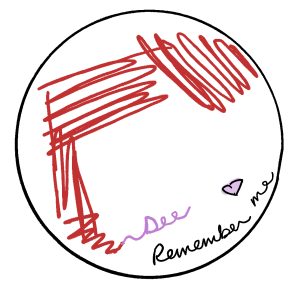 I first met Dee at the small hospital lab where I started as a lab assistant. She could be grumpy. She could shake my confidence. She was very particular about how I did things. She had worked there a long time. She was dedicated, trudging through snow to the hospital when the rest of us couldn’t get out of our driveways. Dee could be friendly and delightful. Some days she spoke to no one and read lab magazines instead of working.
When staffing shifted, and there was a need in microbiology, Dee and I ended up there together. I had just finished a microbiology degree and was given the chance to do higher-level work in microbiology.
And then we became friends. Despite her frustrations with my inexperience, Dee and the few others in micro guided me. As I gained proficiency, we worked well together. Some days were stressful, especially near the week’s end. On the lighter days, we shared personal stories. Dee brought photos from her Peace Corps days. She met her husband there and showed photos of them frolicking on the beach.
Then Dee’s practical, focused behavior changed. She bought new clothes and arrived in curious outfits and new hairstyles. She left in the middle of work to get her ears pierced. She left her shift for a few hours at a time to print photos and post them around the lab. She stayed up all night rearranging her furniture, then hosted a big party. This was not like her.
We had a serious talk about mania and possible bipolar disorder. Dee went to her doctor, who prescribed medicine. But Dee did not want to take it because her levels would be tested at our lab. When she did try it, she was asleep at the bench.
Dee was plugged in to the community and joined a mental health support group. We all encouraged her. But I admit that we were annoyed and angry about her behavior, because we worked long days picking up her workload.
In a few months, my husband and I moved to another state. Dee and I kept in touch by email. One mid-winter day, she wrote to apologize for times she wasn’t nice to me in the lab. Her words surprised me, because I thought we had moved past that. I delayed my response.
Shortly after, Dee’s husband sent an email. Dee had died by suicide. How I wish I had responded to her message or called her. I called a few friends back at that lab. They expressed shock and sadness. One friend’s comments stuck with me: the lab leaders didn’t talk about it with the staff. They didn’t check in with people to see how they were doing.
Recently, I reached out to our ASCLS Connect Community and other lab friends for some informal group therapy. People wrote about losing co-workers in many ways, not only to mental illness. Some losses were shocking and traumatic, others were gradual and expected. Many people expressed how deeply it impacted them, how they missed their co-worker, and how they wish they could have helped.
When I asked how they and their co-workers coped, responses were mixed. Mostly, people said they felt supported, that they were offered grief counseling. A few said it wasn’t talked about, and help wasn’t offered.
Helpful actions mentioned included:
- Counselors and chaplains visiting the staff
- Lab leaders arriving on-site immediately after the loss
- Lab leaders seeking guidance from human resources and spiritual care
- Lab leaders talking openly about their own grief
- Talking about the loss and grief during huddles and meetings
- Allowing workers overcome with grief to leave for the day
- Setting up a temporary memorial in the workplace with photos, staff reflections, and flameless candles
- Setting up a memorial at the lab entrance for workers lost during the pandemic
- Yearly remembrance ceremonies for co-workers who have passed
- Company support: meals, support, ceremony, plaque, bench, memorial walk
- Emotional support from the ASCLS community
- For affected family members: support from their loved ones’ lab family and ASCLS family
Unhelpful actions mentioned:
- Not talking about it, not offering counseling
- Posting the open position too soon
I heard from lab leaders who were stunned and unsure how to respond. I think it’s important to realize our leaders are human, too. Together, we may feel remorse that we could have done something. We might regret our last interactions with the person. Together, we may be overwhelmed by lab operations, projects, and “go-live” dates. Perhaps members of less-affected shifts can rise up to offer support and organize chaplain visits.
Losing a co-worker without fully grieving or memorializing the person may be a familiar feeling for many of us. With duties to carry on, and patients to care for, it can be hard to find the time. Chaplains at my hospital told me night shift is a good time to call for emotional support. I have also leaned on employee assistance program (EAP) counselors for invaluable support by phone.
If you have lost a co-worker, I hope you can pause and remember the joy you shared with them, as well as the toil and messy middle. I think of my friend Dee often and carry on my work in her honor.
Heather Parks is Adjunct Professor at Alamo Colleges and University of Texas Health Sciences Center in San Antonio, Texas.
If you or someone you know is going through a hard time or having thoughts of suicide, please know that support is available right now. You can call or text 988 to reach the 988 Suicide & Crisis Lifeline, available 24 hours a day, 7 days a week. This service is free and confidential. If you are in immediate danger, please call 911 or go to the nearest emergency room.