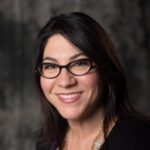
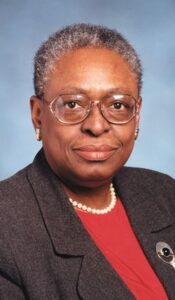
Connie Mahon is a Filipino immigrant, clinical microbiologist, and educator whose career spans the bench, the classroom, and federal leadership. She brings a deeply personal commitment to diversity, equity, and inclusion—shaped by her arrival in the United States 55 years ago, when she learned what it meant to navigate unfamiliar systems, work twice as hard to be seen, and find her footing in spaces where Asian voices were often overlooked. These early experiences continue to inform her lifelong advocacy for belonging and equitable opportunity in the clinical laboratory profession.
Throughout her career, Connie has championed access to mentorship, advancement, and leadership pathways, especially for immigrants, women, and professionals of color. Her work reflects a belief that inclusive practices are essential to building strong, resilient laboratory teams.
As author and co‑editor of the Textbook of Diagnostic Microbiology, Connie built her foundation as both a medical laboratory scientist and clinical microbiologist before advancing into supervisory and director roles. Her curiosity and passion for teaching led her to the University of Texas Health Science Center at San Antonio, where she spent 17 years teaching clinical microbiology, parasitology, and mycology, shaping the next generation of laboratory professionals. She has also taught microbiology online at The George Washington University for more than two decades.
Connie’s career later expanded into federal service—first as Program Director for the Army Medical Service Corps Clinical Laboratory Science Program, and later as a Microbiology Reviewer at the FDA. She eventually transitioned into organizational development, and as a certified Federal Executive Coach helped senior leaders and employees across federal agencies strengthen their leadership, communication, and team culture.
In the newly published Management and Leadership in the Clinical Laboratory, which she co‑authored, Connie emphasizes that diversity is not simply a value but a source of strength. The book underscores that equity and inclusion must be intentionally woven into every level of laboratory education and leadership, envisioning a future workforce that is technically excellent, inclusive, empowered, and reflective of the communities it serves.
Her lived experience navigating the profession as an Asian American reinforces her belief that the clinical laboratory is strongest when every professional—regardless of background, accent, or identity—feels seen, valued, and supported.

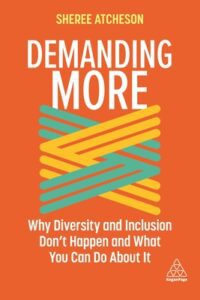
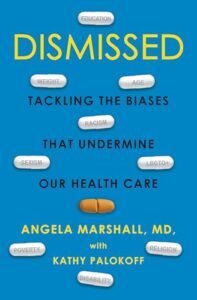
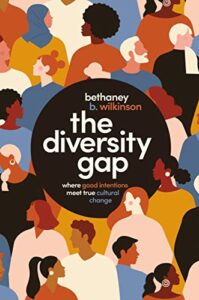
 Join us as we celebrate and ignite discussions regarding diversity in the profession and the inequities in our healthcare system. The ASCLS Diversity Advocacy Council (DAC) invites you to participate in PRISM: Pride · Respect · Inclusion · Support · Momentum, which debuted in January 2021. As leaders and members, we understand that the most uncomfortable conversations can be the most educational, productive, and inspiring. With this in mind, the DAC organized PRISM, a series of virtual activities, including movie nights, book clubs, and conversations with featured guests.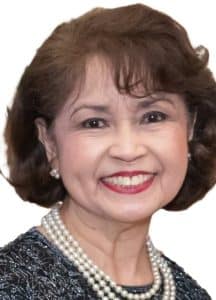
 Kelcey Harper is a seasoned medical laboratory scientist with nearly 10 years of experience spanning across the hospital laboratory, industry, and public health sectors. They hold a BS in Medical Laboratory Science from the University of Massachusetts Lowell and an MS in Infectious Disease from Drexel University College of Medicine. Currently, Kelcey serves as a Public Health Microbiologist with the Vermont Department of Health, where they oversee a broad range of molecular testing, including whole genome sequencing for foodborne outbreaks, wastewater surveillance, virology, serology, and rabies testing.
 Christen Diel is an accomplished Clinical Laboratory Scientist with eight years of practice in various laboratory roles, including generalist, senior scientist, department supervisor, and shift supervisor. Christen is currently pursuing a Doctor of Clinical Laboratory Science degree at Rutgers University, while serving as Supervisor of Clinical Pathology Services at Wellstar Medical College of Georgia.

 Friday, September 22, 3pm ET
 2023 Candid Conversation with Perry Scanlan
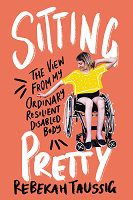 Sitting Pretty: The View from My Ordinary Resilient Disabled Body